Direct answer: The biggest risk in FNSKU, SKU, barcode, carton-mark, warning-label and instruction-manual rework is not labeling speed—it is version mix-up. Before batch work, define which SKU uses which file, where it goes and how many units are required, then use first-piece confirmation, work-area separation and re-inspection to reduce mistakes.
Create an SKU-to-file/version map
Different colors, country versions or marketplace SKUs may use different FNSKU labels, manuals or warnings. Do not rely only on file names. Map SKU, version, file and required quantity explicitly.
Confirm placement and covering rules
The client should provide placement guidance and confirm whether an old label must be covered or removed, whether the original barcode must remain visible, and whether specific information must not be covered. Manual replacement should also define whether the old version is completely removed.
Confirm a first piece before batch work
Use a client-confirmed sample, photo or first piece to check label content, direction, position, adhesion and the correct document inside the kit before scaling the operation.
Separate different versions on the work floor
When multiple SKUs or versions run in parallel, separate materials and work-in-process. Reconcile remaining quantities when one version is completed before switching to the next.
Reconcile quantities and perform OQC where required
After the operation, compare input quantity, completed quantity, remaining labels/manuals and exception quantity. For projects requiring OQC, re-check label version, placement and packaging condition according to the confirmed rule.
Boundary
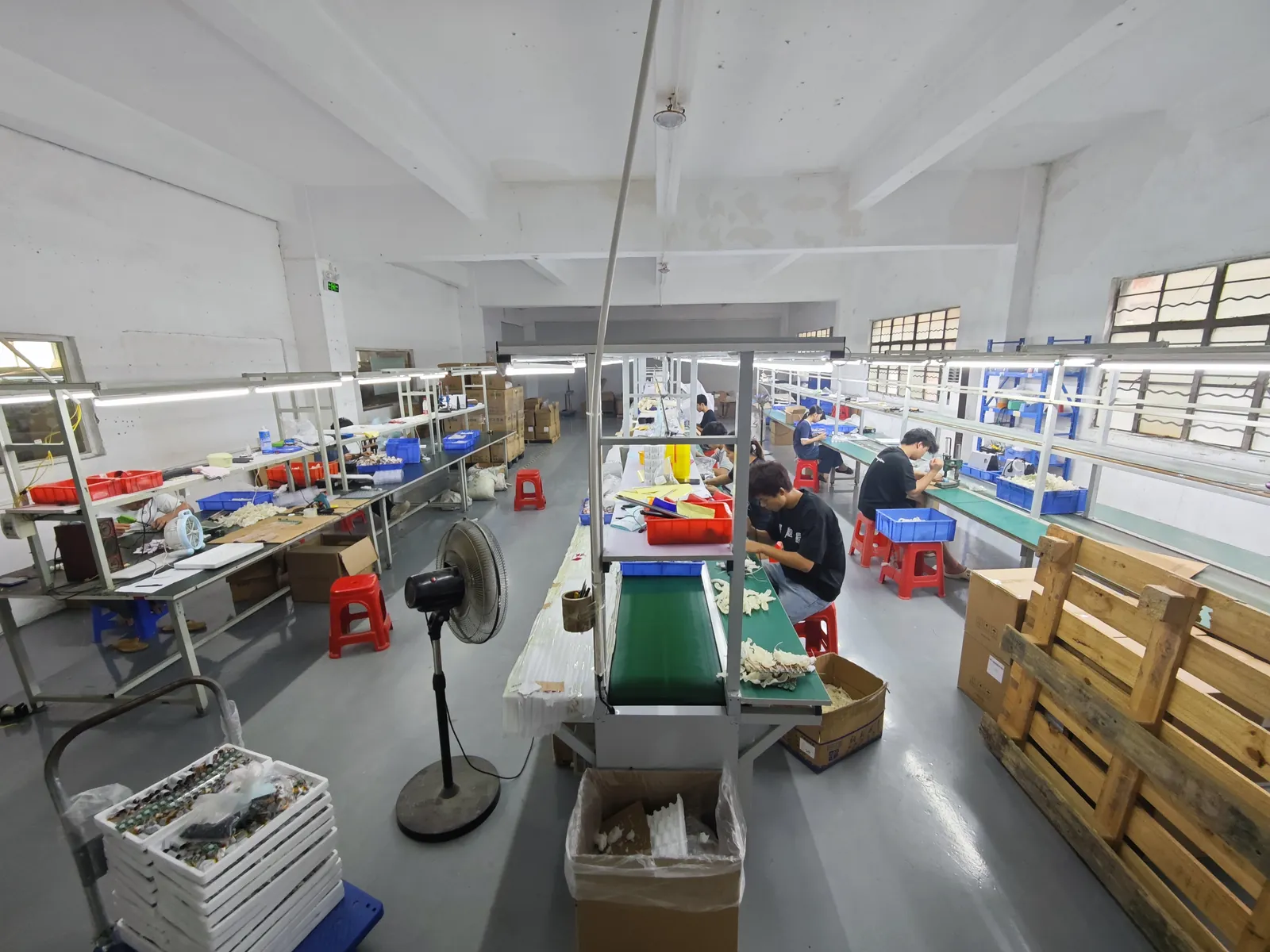
Changsheng can perform suitable manual labeling, instruction-manual replacement, accessory insertion and repacking. The client is responsible for providing the correct source files and confirming marketplace or regulatory label requirements.