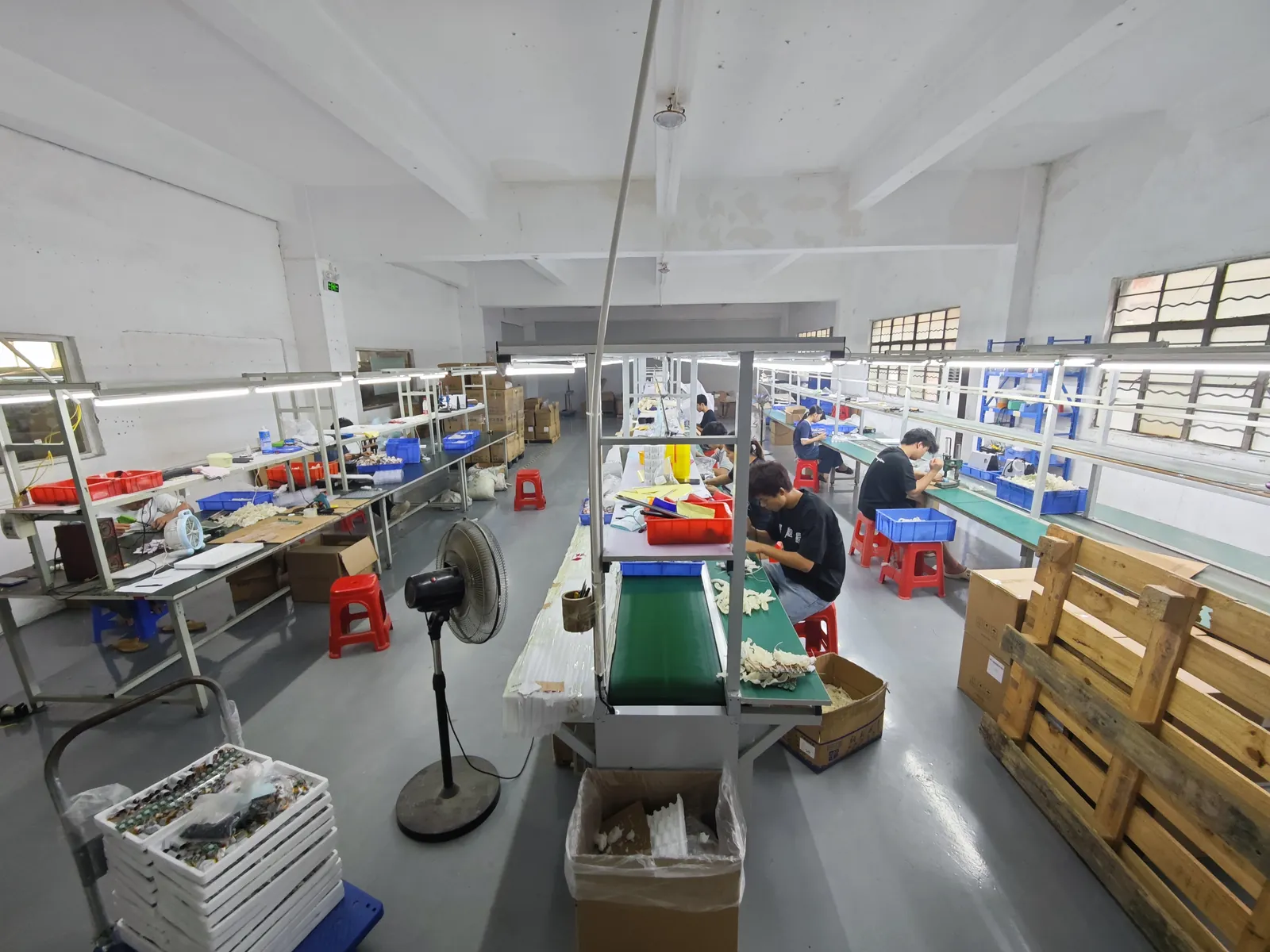
Direct answer: Supplier exceptions should not stop at a chat message saying that “something is wrong.” The issue needs a traceable quantity, photos, SKU/batch reference, a client decision and a controlled follow-up action. A practical workflow is to record the exception first, notify the client and supplier, obtain an approved handling direction, then connect rework, replenishment, replacement and re-inspection to the same fulfillment record.
1. Separate exception goods from normal goods
Record issues by supplier, SKU, batch or arrival date so affected goods do not accidentally continue into assembly or outbound. Useful evidence includes issue type, quantity, photos, specification differences and where the problem was found.
2. Compare the result with the client-confirmed acceptance rule
If the project uses AQL or a fixed sampling ratio, compare the inspection result with the confirmed acceptance criteria. If the result exceeds the acceptable range, Changsheng does not automatically expand the work into 100% inspection without authorization.
3. Let the client choose the handling direction
Depending on the project, the client may choose full inspection, return, supplier replenishment, replacement, rework or another action. Cost allocation and supplier responsibility are commercial matters that should be confirmed by the relevant parties rather than assumed on site.
4. Connect supplier action to on-site fulfillment
After client approval, Changsheng can continue supplier coordination for rework, replenishment or replacement. Where suitable, on-site work can also include unpacking, labeling, repacking, accessory insertion or other confirmed correction work.
5. Re-inspect corrected goods to the confirmed criteria
Completion of rework does not automatically mean acceptance. The required checkpoints should be re-inspected and the completed, pending and remaining exception quantities updated.
6. Carry the exception status into inventory and outbound records
For multi-supplier projects, exception information should remain connected to SKU, batch, inventory status and outbound timing so problem goods are not mixed back into normal stock.
Boundary
Changsheng can support exception records, supplier coordination and on-site rework connection. We do not decide legal supplier liability or a fixed cost-allocation rule for the client, and basic inspection does not replace laboratory or certification testing.