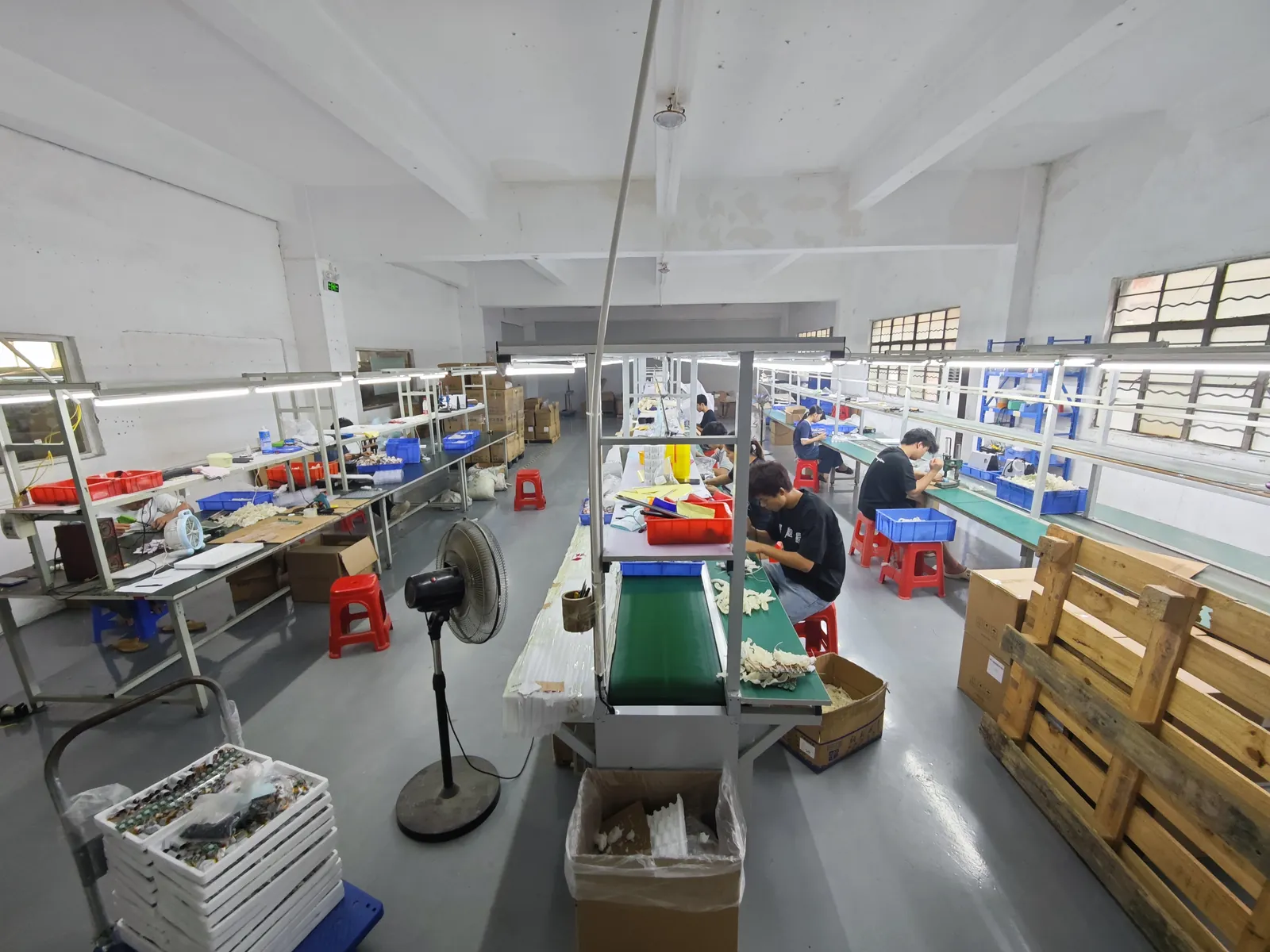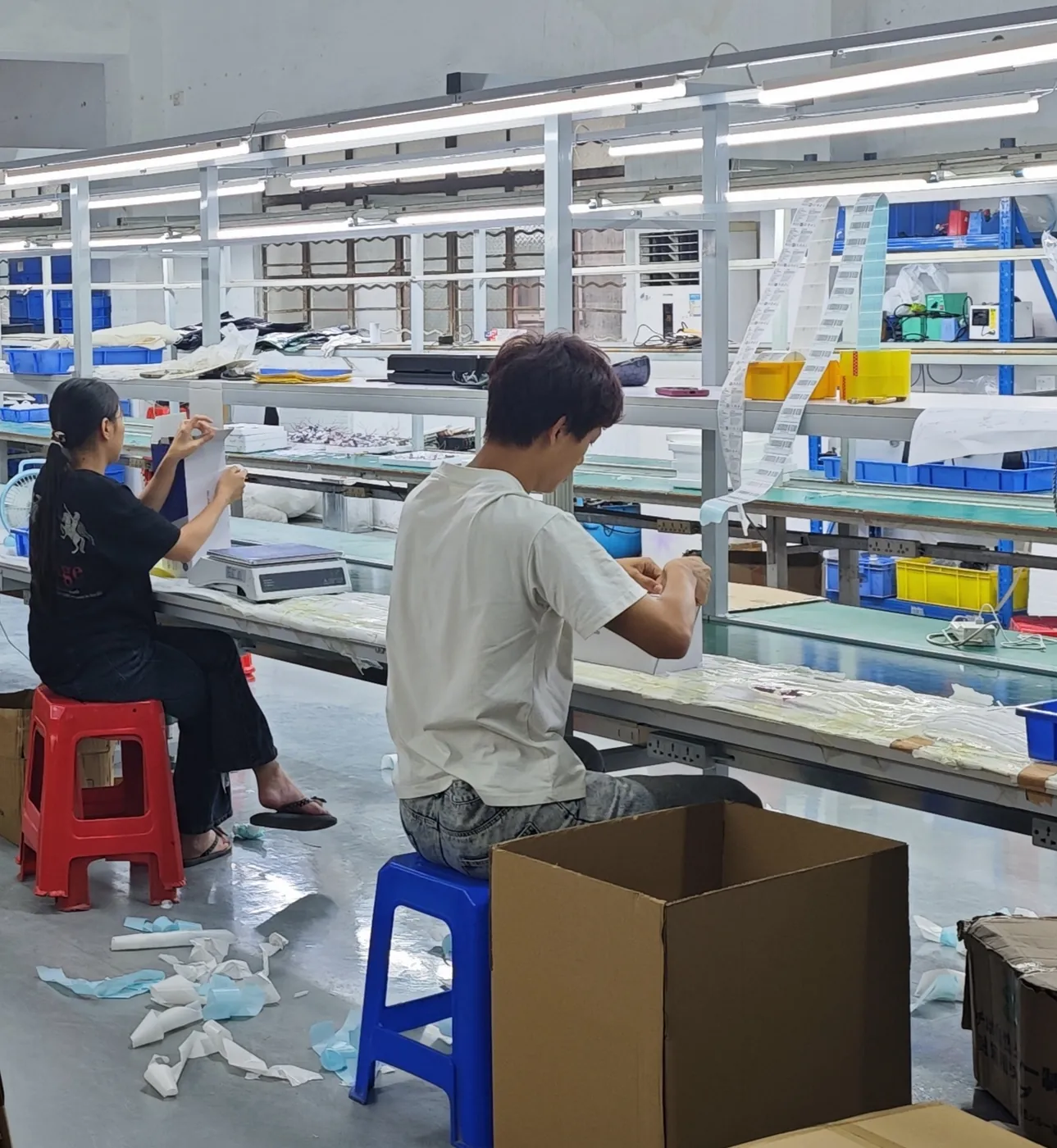
Direct answer: When a client does not have a complete inspection checklist, Changsheng does not unilaterally create the final acceptance standard. We can propose practical checkpoints based on product use, common risks and end-customer concerns, then execute after client confirmation.
1. Establish Product and Order Information
Start with SKU, quantity, supplier, specifications, packaging status and whether assembly, labeling or rework follows. The critical risks differ by product.
2. Build the Basic Checkpoints
Typical basic checks include quantity, appearance, specifications, accessories, power-on, switches and simple operation. Appearance products may need definitions for scratches, color difference, contamination or deformation; kits need accessory and instruction-version control.
3. Confirm the Sampling Method
The client can specify AQL or another sampling ratio. If no sampling rule exists, sample size and unacceptable conditions should be agreed before inspection.
4. Decide How Exceptions Are Escalated
If sampling exceeds the accepted level, issue types, quantities and photos can be reported so the client decides on full inspection, return, rework, replenishment or replacement.
Applicable Boundary
This method is for basic incoming inspection and does not replace laboratory, certification or destructive testing.
How It Connects to Changsheng
Changsheng can help structure checkpoints, execute IQC, document exceptions and coordinate supplier follow-up so inspection connects directly to assembly, rework and outbound fulfillment.