Direct answer: A multi-supplier project needs more than sending one warehouse address to every factory. Prepare one project data set covering suppliers, SKUs, quantities, delivery timing, inspection requirements and final relationships between materials.
1. Supplier List and Contacts
Identify each supplier, the SKUs/materials they provide, contact person and expected delivery date. A common project/order reference helps match incoming goods.
2. SKUs and Expected Quantities
Separate variants, colors, accessories and packaging materials clearly. A total carton count alone is usually not enough for completeness and exception control.
3. Arrival and Completeness Relationships
Specify which materials must be complete before assembly or outbound work and which can be processed earlier.
4. Inspection and Exception Rules
Define checkpoints, AQL or sampling ratio and who decides on full inspection, return or rework after shortages, damage or quality exceptions.
5. Final Outbound Milestone
Provide the target date and appointed-forwarder information so receiving, inspection, rework, assembly and inventory planning work toward the same final milestone.
Applicable Boundary
Changsheng can coordinate deliveries and fulfillment execution without automatically becoming the purchasing principal.
How It Connects to Changsheng
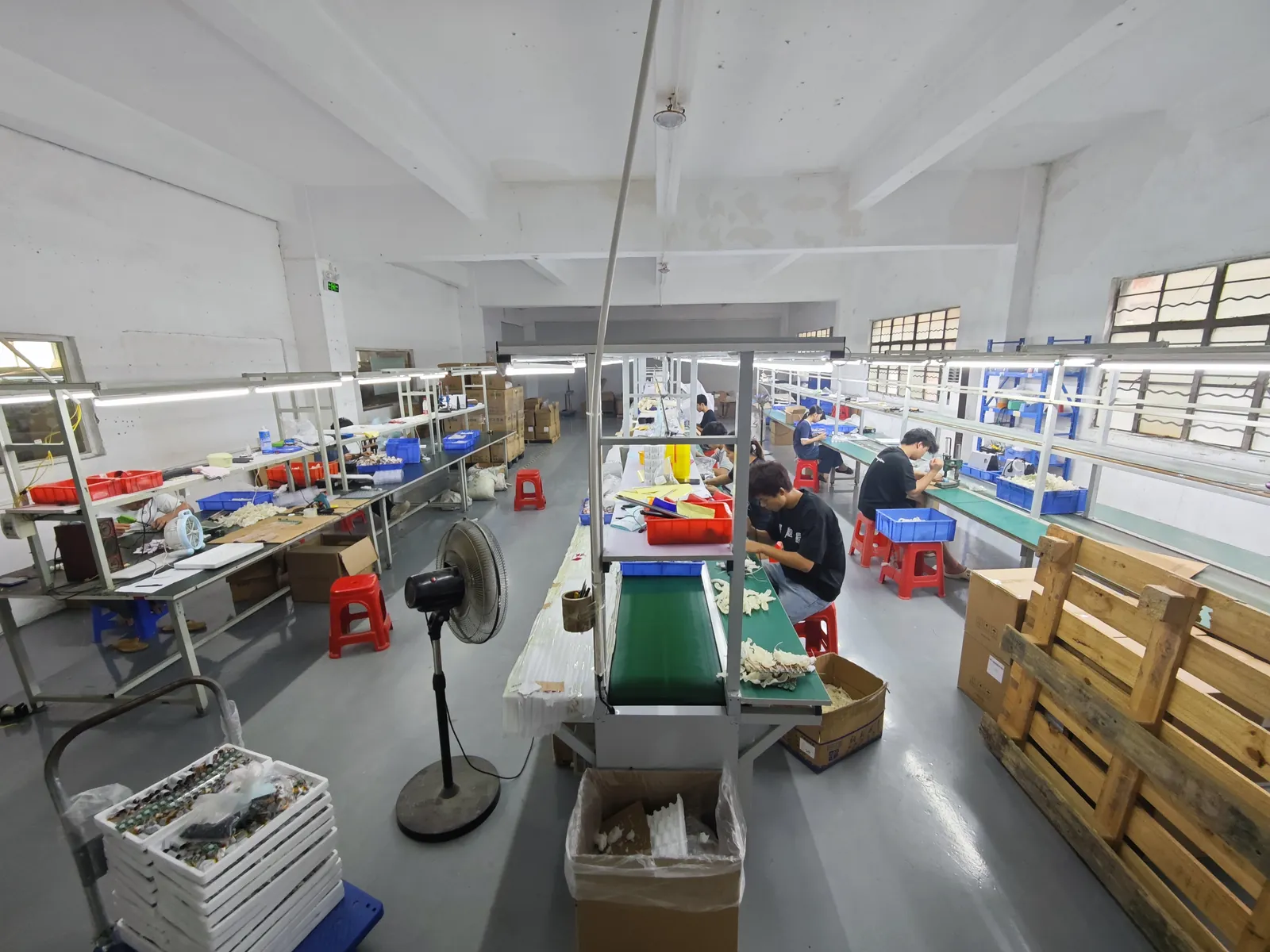
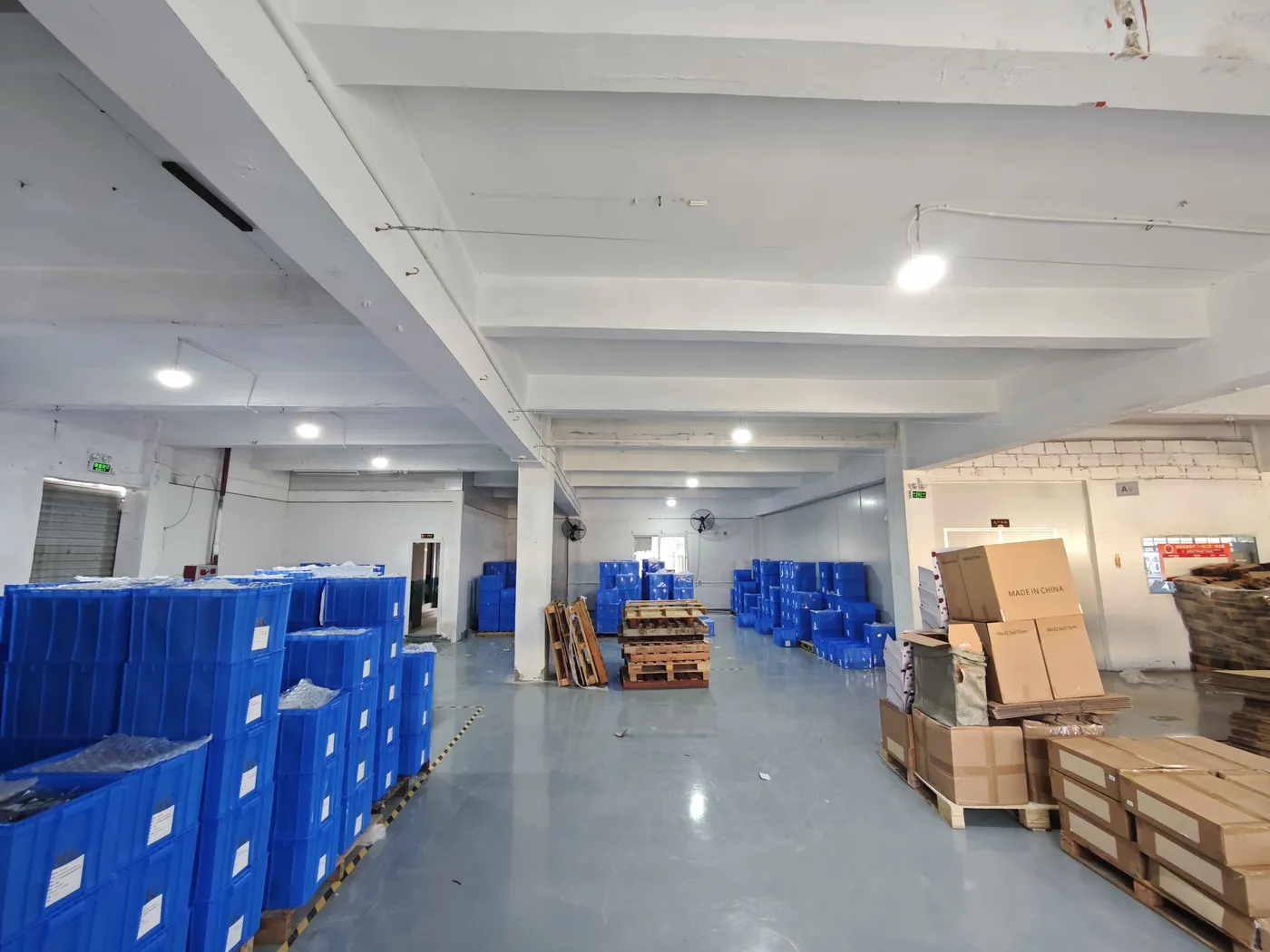
With the data prepared, Changsheng can coordinate supplier deliveries, centralized receiving, SKU verification, IQC, exception follow-up, inventory and consolidated outbound handling.